- Check the coolant - You should already be doing this each oil change but it is worth another check. Unlike in the summer you will need to have a mix and not run 100% water. Usually a 50/50 mix is the ideal ratio to balance boil over and freeze prevention. The last thing you want is to have your engine coolant freeze as this would probably be the end of a number of parts.
- Check your battery - A number of auto parts stores will check your battery for free if you don't have the tools to do it your self. Cold weather is hard on batteries and if you have a battery approaching the end of its life it might just freeze which will be the end of that battery.
- If you haven't done a flush and fill recently on you coolant now would be a good time to do so. This ensures that you have both good coolant and that you don't have a plugged heater core.
- Switch to a lighter weight oil - Now your car will typically have a recommended oil usually 5w30, some vehicles have 2 oils they recommend based off of the temperatures it will operate in. In my daily driver (the BMW 540i) I will run 4 different weight oils throughout the year. In the peak heat of the summer I run 15w40 while in the middle of winter I will run 0w30 while running 5w30 and 10w30 in the less extreme temperatures. The first number is the cold flow number so the cooler it is the lighter oil you can go with. When the day time highs are going to only be -10F it would be worth while to run a light oil that actually will flow and build oil pressure. The second number is the hot flow number and means this oil will thin no more than a X weight oil so 0w30 when cold flows like a 0 weight oil but once it warms up it flows like a 30 weight oil. Using a lighter oil also will help it start when it is cold as well.
- Use synthetic oil - If you haven't read my write up on using synthetics one of the reasons they are better is they have better flow at low temperatures. This allows your engine to build oil pressure sooner. This will also make starting it easier as well.
- Wax you car - Now is a great time to go and do a nice hand waxing. The nice shine won't last but it will provide additional protection from road salt. If you are lucky enough to not live in an area that salts the daylights out of the road then go and enjoy some time in the nice weather and wax your car anyway.
- Get some rubber floor mats - This will keep your carpet in nice condition and also helps prevent the floor of your car from rusting out. It seems to take forever for automotive carpet to dry out so this will keep then dry and also prevent them from getting that awful salt stain.
- Check the tread on your tires - With the snow and ice on the road you don't want other factors decreasing your cars traction. Good tread helps provide as much traction as possible which you will need.
- Get the snow tires on it - If you are lucky enough to have snow tires they make a world of difference when driving on snowy and icy roads. The reason is that they are made with rubber compounds that can provide better traction on theses surfaces. These compounds are very soft so you don't want to run snow tires in the summer otherwise they will just wear away but in the winter do wonders. If you don't have snow tires but would like some I would suggest purchasing a set of cheap steel rims to have them mounted on as it will save you money in the long run since you will other wise be paying to have them mounted and balanced on your existing rims and then paying to have them unmounted and the summer tires put back on in just a few months.
Friday, December 23, 2011
Get Your Car Ready for Winter
With winter on its way or already here now is the time to start getting you car ready for winter. Below are the things that I do to prep my car for winter.


Sunday, October 30, 2011
Switching small engine equipment out
Well winter is coming or if you are in the north eastern US has already come. With the changing season comes a change of seasonal toys and equipment. I have seen lots of equipment fail because it was put away incorrectly. Remember it costs a lot less to prevent issues than to pay some else to fix them. Also it is no fun when you need or want to use something and it doesn't work.
I always check my equipment before I need it as I don't want to be stuck trying to get my snow blower running when there is 12 inches of snow on the ground. This way if it is broken you can get it repaired before you need it and not be stuck waiting for the shop to fix everyone else's equipment before they get to yours. So basically don't wait to check your equipment until the weather service issues a storm warning
To ensure that things are ready to go when I want to use them next I do the following. Apart from changing the engine oil all of these are applicable to 2 stroke and 4 stroke engines.
Putting Equipment away for the year:
I always check my equipment before I need it as I don't want to be stuck trying to get my snow blower running when there is 12 inches of snow on the ground. This way if it is broken you can get it repaired before you need it and not be stuck waiting for the shop to fix everyone else's equipment before they get to yours. So basically don't wait to check your equipment until the weather service issues a storm warning
To ensure that things are ready to go when I want to use them next I do the following. Apart from changing the engine oil all of these are applicable to 2 stroke and 4 stroke engines.
Putting Equipment away for the year:
- Drain the fuel - I do this since gasoline does have a finite lifetime of about 6 months. Also modern gasoline has ethanol added to it which absorbs water. By draining the gas you prevent rust from forming in the gas tank if it has a steel tank, prevent water from getting into the gas, and also prevent varnish from forming that will plug up the carburetor. Once all of the fuel is out of the tank try to start the engine to get all the fuel that is left in the carburetor out.
- Change the oil - All of my 4 stroke small engines get fresh oil put into them at the end of the season so that they don't sit there with old oil in them all winter. This also ensures that there is fresh oil when I want to use it.
- Fog the engine - If you have never heard of this fogging the engine basically is to spray the cylinder with a fine oil that will prevent it from rusting and ceasing. You can buy special oil in an aerosol can for this purpose. The best way to fog an engine is to pull the spark plugs and spray the oil directly into the cylinder and then replace the spark plug.
- Check or Replace the spark plugs - Since you have pulled the spark plugs you might as well check them to see if they are still go, and if not replace them if needed.
- Put fresh fuel in the tank - This can be the fuel you just removed from the equipment you just put away so why not use it instead of letting it go to waste. If you left fuel in it from the year before it might be a bit questionable and should be drained and disposed of first.
- Check any belts to make sure they are in good working order, not cracked, and have the right tension. Replace as needed.
- Lube any chains and gears - This will prevent rust and ensure that they move freely. I find this especially helpful to do on the shoots of snow blowers so they don't frees or get stuck in place.
- Start the engine and let it run - I have always found that the first time starting a piece of equipment each year is always the hardest. This will also let you know if it works correctly or if you need to have it repaired.
- Once running take off the air filter and spray some carburetor cleaner into the intake to clean out any deposits that may have formed. Don't let it stall but it will smoke as it is running really rich when you do this. A few (4 to 5) quick 1 second squirts with a few second wait between each will do wonders if the engine isn't running very well. Now go put the air filter back on it. Once done let the engine run for 10 to 15 minutes.
Thursday, October 6, 2011
That New Used Car
As I have never purchased a new vehicle only used I always make sure to do some basic maintenance for worry free operation. Recently I purchased a new to me 1996 Jeep Cherokee with the 4.0L inline six and 5 speed manual to replace my failing 1988 Bronco II. This is really a high mileage vehicle with 368,XXX on it and it actually runs really well. As I would like to keep it running as such I need to take care of it. Also by doing this maintenance I can get an idea of the care the previous owner took of the vehicle.
So what are the things I do to a used vehicle when purchased. It is basically fluids, filters, and depending on mileage spark plugs and wires as well.
So what are the things I do to a used vehicle when purchased. It is basically fluids, filters, and depending on mileage spark plugs and wires as well.
- Engine oil and filter service - First thing is first check the oil level, it should be in the normal fill range, if not the engine might have an excessive leak or be burning oil. Then check to see that it is in the normal range of color (light clean tan to darker brown indicating it is time for a change) if it is really black they may not have changed the oil as regularly as they should have. If it is milky then there is either a head gasket leak that is causing coolant to leak into the oil or there is a plugged PCV valve/system. If you have milky oil hope it is just a plugged PCV valve otherwise return the vehicle if they didn't tell you it had a bad head gasket or valley pan gasket (not all vehicles have a valley pan). At this point I have all the info I can gather from the oil so I just do my normal oil and filter service even if the oil is reasonably fresh. This enables me to know exactly when the oil was changed and if there were any deposits you just flushed them out.
- Transmission fluid and filter if automatic - Most people neglect their transmission especially automatics. Here I check the level to ensure there isn't a leak and then change it. If it is an automatic you should change the filter as well and clean out the pan to remove any filings that are in there. Manual transmission don't have a filter but when changing fluids always open the fill plug before opening the drain plug (this is a common theme). You do this to ensure that you can refill the thing before you empty out all the fluid. If I can't get a plug out (I have only had this happen once) I am willing to make it someone else's problem as a fluid change isn't that expensive on a manual transmission or differentials. Once they crack it open it will be easy the next time you want to do it and you won't have to pay someone else to do it this time. Fresh fluid and filter will greatly extend the life of an automatic transmission.
- Coolant - Here I check the level and also check to see if there is any oil in it. Once done I drain it and fill it back up with a 50/50 mix of distilled water and antifreeze. If you have oil in your coolant then you might have a blown head gasket or bad valley pan gasket. Use distilled water it doesn't have all the minerals that tap water has in it that can cause corrosion and lime scale build up and will extend the life of your cooling system.
- Transfer case fluid - check the level to ensure that it doesn't leak and then drain and refill. Again here always open the fill plug before opening the drain plug since you don't want to drain it and then not be able to refill it.
- Differential fluid - Again here check the level before draining and refilling to ensure that there isn't a leak. When changing it always remove the fill plug before removing the cover or drain plug to ensure you can actually refill it. Once the cover is off clean up the interior of the differential using paper towels to wipe out any material and remaining oil you can. You will need to scrape off any gasket material that may still be stuck to the differential or the cover. The nice thing is if they have been using different color RTV gasket material you can tell how many times it has been changed. It appears on my Jeep it has been done at least 2 times as there wasn't the factory paper gasket (this is all Jeep used) and there was some old orange RTV gasket material and newer gray RTV gasket material. Also you can check for excessive wear marks or scoring on the gears.
- Fuel filter - Who knows when this was last changed and they are cheep.
- Air filter - Even if it looks clean these are cheep and easy to do so might as well
- PCV valve - Again here it is cheep and really easy to change
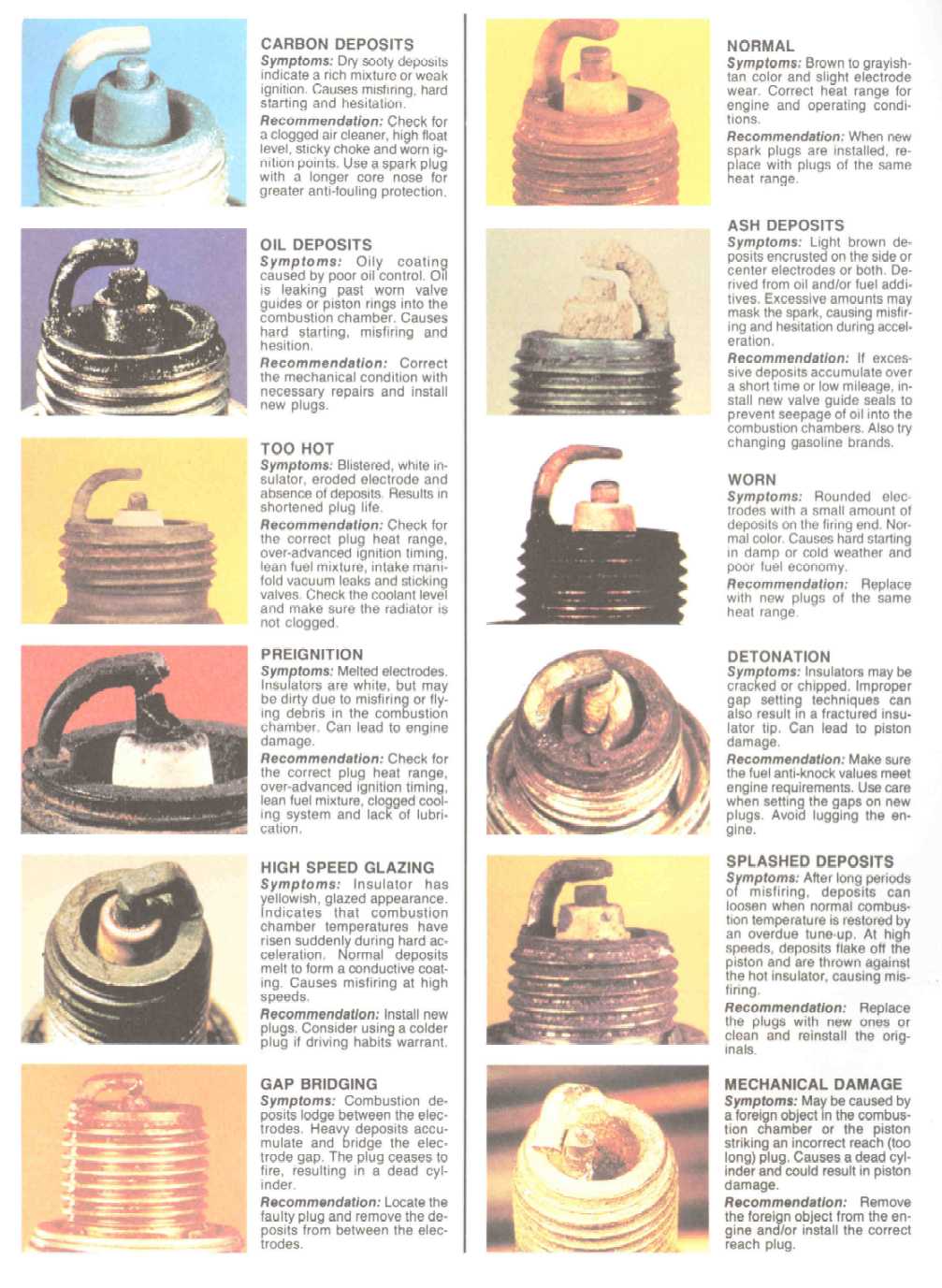
- Spark plugs and wires - With 368,??? on the Jeep the $12 in plugs and $14 for wires seemed reasonable. This also gives you a great insight into what is going on inside the engine and how it is running if you want to read your spark plugs (not my site but this diagram is a common one and is correct). Also since this Jeep still has a distributor I also changed the cap and rotor as they looked to be the factory originals and I didn't want to get stuck for the $11 it cost for new ones. It is cheap insurance and you are already working in that area of the vehicle.
- Power steering fluid - This also seems to be a neglected fluid much like transmission fluid is. I always do a partial exchange when changing oil so might as well get some clean fresh fluid in there. Just use a fluid transfer pump to empty the reservoir and refill with clean fresh fluid. You probably only change out 1/3 to 1/2 of the fluid but do this a few times and you will be near all new fluid in your power steering system.
Additionally I give the vehicle a good once over checking all the belts and hoses to ensure that they aren't in need of replacing if you find one that needs replacing do it now not later, road side repairs suck and tows are expensive. Also at this point I will convert a vehicle to fully synthetic fluids for all their added benefits. Now that most things have been done and you know when they have been done you can just follow a regular maintenance schedule and hopefully have years of worry free operation.
Wednesday, August 3, 2011
And Now my Car is Overheating
If you didn't follow my advice on how to help you car beat the heat you might of had some overheating issues with the recent heat. There are ways to deal with an overheating vehicle until you can get it to a shop or home to be fixed and not wreck your vehicle.
Turn up the heat
Now this may not be what you want to do on a hot day, but if your vehicle is starting to overheat you can head it off by turning on the heater to max temp and max speed. This will help cool your engine down as the heater core is basically another radiator thus by letting hot coolant flow through it and blowing air across it will increase your vehicle's ability to get rid of excess heat. Please roll your windows down and open your sun roof otherwise it is going to get really hot really fast in your car.
Add some Water
Turn up the heat
Now this may not be what you want to do on a hot day, but if your vehicle is starting to overheat you can head it off by turning on the heater to max temp and max speed. This will help cool your engine down as the heater core is basically another radiator thus by letting hot coolant flow through it and blowing air across it will increase your vehicle's ability to get rid of excess heat. Please roll your windows down and open your sun roof otherwise it is going to get really hot really fast in your car.
Add some Water
Now if your vehicle has overheated please shut it down and let it boil over and cool down. This will prevent you from causing serious damage. Now once it is cooled down (about 30 minutes) open the cap and go find some water to fill it back up with. The water doesn't have to be cold. As I mentioned in a previous post water transfers heat better than coolant so by refilling with water you will be able to increase the cooling capacity.
Fix that leak
If your vehicle leaks coolant some where (sometimes coolant leaks are really hard to find) you should always carry some extra coolant in your trunk or back seat. If you let it get too low your vehicle will loose its ability to stay cool and may overheat. This is the worst kind of overheating as some parts of the engine may be starved for coolant such as the heads. This can be disastrous as you could blow a head gasket, crack the head, or crack the block which may be an engine ending failure. If you don't have some premixed coolant then regular water will work as will those stop leak products.
The good news
The good news is that most gas stations carry products that can help to temporally resolve your overheating issues. Most will sell some automotive products like oil, coolant, stop leak, and gas additives. Also they carry water which you can use in a pinch and/or have a hose and spigot out back. Once you get the vehicle home or to a repair shop get the issue resolved. This may be replacing hoses, a radiator, or a flush and fill. Getting a flush and fill will do wonders if you have a vehicle that has a neglected coolant system, if you regularly exchange your coolant you probably don't need a flush and fill as it will only cost more money.
Subscribe to:
Posts (Atom)